One Stream, Five Platforms, Zero Traction: The Hard Truth About Simultaneous Broadcasting
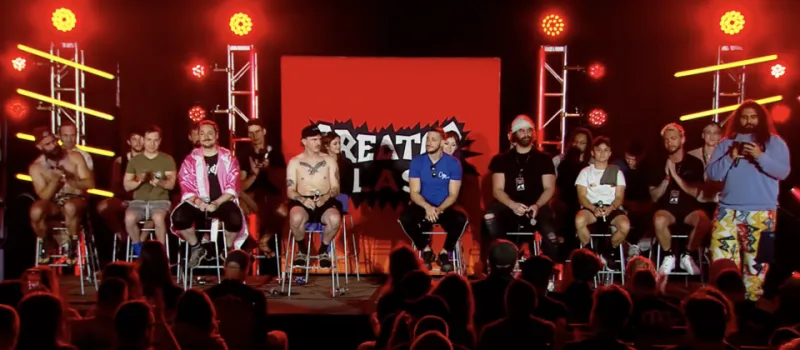
Photo: EsfandTV on YouTube, CC BY 3.0, via Wikimedia Commons
One Stream, Five Platforms, Five Audiences, Zero Traction: The Hard Truth About Simultaneous Broadcasting
There's a certain comfort in the idea of being everywhere at once. Fire up your stream, point it at YouTube, Twitch, Facebook, LinkedIn, and TikTok Live simultaneously, and let the audiences roll in. More platforms, more eyeballs, more growth — right?
Not quite. The multi-platform simulcast dream is one of the most persistent myths in the creator economy, and for a growing number of streamers and video businesses, it's quietly becoming a real liability.
Why the "More Is More" Logic Breaks Down
Here's the thing about modern streaming platforms: they're not passive pipes. Every major platform — YouTube, Twitch, Facebook, LinkedIn — runs a sophisticated recommendation engine that actively decides whether to push your content to new viewers or quietly bury it.
Those algorithms share one key behavioral signal above almost everything else: engagement rate. Not raw view counts. Not stream duration. The ratio of active interactions — comments, reactions, shares, follows — relative to your total concurrent viewership.
When you split your live audience across five destinations, you're not multiplying your engagement. You're dividing it. A stream that might pull 200 concurrent viewers on a single focused platform gets fractured into clusters of 30 or 40 across multiple feeds. Each platform's algorithm sees a low-engagement stream and responds accordingly — by showing it to fewer people. You've essentially told five different recommendation engines that your content isn't worth promoting.
The Audience Behavior Problem Nobody Talks About
Beyond the algorithm issue, there's a more human problem: your audiences on different platforms aren't the same people, and they don't want the same thing.
Your Twitch followers showed up for real-time interaction — the chat, the spontaneity, the community in-jokes. Your LinkedIn audience, if you're a business or B2B creator, expects a more polished, professional tone. Your YouTube viewers may be tuning in on a 30-minute delay through the DVR feature. TikTok Live skews heavily toward discovery-based viewers who have no prior relationship with you at all.
A single stream optimized for none of these audiences satisfies all of them equally poorly. You end up giving a half-hearted experience everywhere instead of a great one somewhere.
Research from Streamlabs and other industry trackers consistently shows that creators who focus their live efforts on one or two primary platforms see significantly higher average concurrent viewers and subscriber growth rates compared to those running five or more simultaneous destinations. The consolidation effect is real.
When Multi-Platform Actually Works
To be fair, simultaneous distribution isn't inherently broken — it's just misapplied by most creators.
It tends to work well in a few specific scenarios:
Large established audiences. If you already have tens of thousands of followers spread across multiple platforms, simulcasting can serve those existing communities without relying on algorithmic discovery. You're not trying to grow — you're serving people who already know you.
Event-based or one-off broadcasts. Product launches, live announcements, charity streams, and industry events benefit from maximum reach because the goal is visibility, not sustained engagement growth.
Owned and operated destinations. Streaming to your own hosted video platform (like a branded player on your website) alongside one major platform is a smart move. You're building your own audience asset while still leveraging a discovery engine — without splitting your engagement signal across competing algorithms.
Auditing Your Current Distribution: A Simple Framework
Before your next stream, run through this quick audit:
1. Where is your engagement actually coming from? Pull your analytics from the last 30 days. Which platform drove the most comments, follows, and shares — not just views? That's your primary platform.
2. What's your engagement rate per platform? Divide total interactions by total viewers for each destination. If any platform is consistently below 2–3%, it's likely getting buried by the algorithm rather than helped by it.
3. Are you creating platform-native content or just broadcasting the same thing everywhere? If your answer is "the same thing everywhere," you're not really doing multi-platform strategy. You're doing multi-platform broadcasting, which is a different — and generally less effective — approach.
4. What's your actual goal? Growth through discovery? Serve your existing community? Build an owned audience? Your answer should determine your platform count, not your fear of missing out.
The Smarter Play: Consolidate First, Expand Deliberately
For most creators and video-forward businesses, the highest-return move is to consolidate to one or two platforms where your audience already lives, go deep on engagement there, and use those platforms' native tools (YouTube Memberships, Twitch Channel Points, etc.) to build loyalty.
Once you've established a strong engagement baseline, you can expand deliberately — not by simulcasting the same stream, but by repurposing content into platform-native formats. Your live stream becomes a YouTube VOD highlight, a LinkedIn clip, a TikTok short. Each piece is optimized for its destination rather than being a carbon copy of everything else.
Your audience isn't everywhere. Your energy shouldn't be either. Stream smarter, not wider — and let the platforms' own algorithms work for you instead of against you.